10 Island Coworking Spots: Essential Guide for Nomads
10 Island Coworking Spots: Essential Guide for Nomads
10 Island Coworking Spots: Essential Guide for Nomads
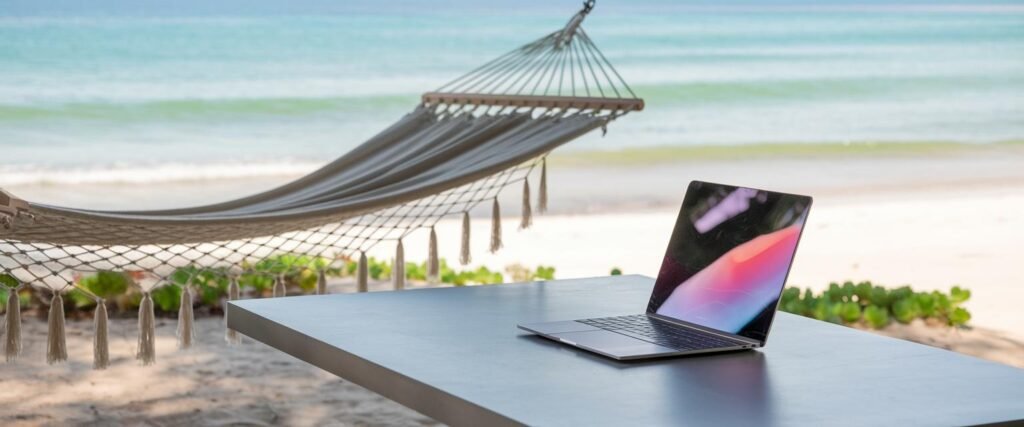
Ever skipped Zoom because the beach was calling? You’re not alone. More remote workers are swapping desk jobs for hammocks, chasing sunlight and freedom. And island coworking? It’s the sweet spot—paradise and productivity rolled into one.
Picture this: Zooming through Bali’s coconut groves or catching sunset calls on Madeira’s pastel coastlines. Remote work just got a serious tropical upgrade.
I’m giving you the real deal — what it actually costs, how fast the WiFi really is, and which visas won’t give you a headache. This comes straight from someone building an AI-powered agency while chasing good views and learning how to balance deadlines with beach time.
- Island coworking blends sun, surf, and strong WiFi
- Top islands include Bali, Madeira, and Barbados
- Some offer digital nomad visas for longer stays
- Internet speeds vary—fiber’s a must for video calls
- Budget comparison tables included to help you plan smart
Table of Contents
- Top Island Coworking Destinations: Asia
- Top Island Coworking Destinations: Caribbean
- Top Island Coworking Destinations: Europe
- Top Island Coworking Destinations: Indian Ocean
- Top Island Coworking Destinations: Central America
- Island Life Breakdown: Costs, Internet, and Community
- Visa Rules and Residency Programs
- FAQs
- Conclusion
Top 10 Island Coworking Destinations: Your Global Guide
Southeast Asia
1. Bali, Indonesia
Bali is the undisputed heartland of island coworking. From Ubud’s rice terrace views to Canggu’s surf-and-latte energy, Bali blends affordability with deep-rooted nomad culture.
I spent two months here, hosting strategy calls from spaces like Dojo Bali and Outpost while riding a scooter between meetings. The best part? After closing my laptop at Outpost, I’d zip down to Echo Beach, catch the sunset, and grab $2 Bintangs with fellow nomads — all without checking Slack again.
2. Koh Lanta, Thailand
If you crave calmer shores, Koh Lanta is your peaceful escape. With its beachfront coworking hub KoHub, it’s popular among creatives, developers, and startup folks who prefer quiet vibes over tourist traffic.
According to Coworker Magazine (2023), KoHub consistently ranks among the top 5 beachside workspaces worldwide, mainly because you can literally code with your feet in the sand.
Caribbean
3. Barbados
Thanks to its welcome stamp visa, stable internet, and coworking spots like TEN Habitat, Barbados is ideal for mid to high-earners seeking clean beaches and structure.
WiFi is solid, and the island’s hospitality makes it easy to build strong connections. When I visited last year, my Airbnb host introduced me to three other remote workers on day one, and we ended up collaborating on projects throughout my stay.
4. Puerto Rico
As a U.S. territory, Puerto Rico offers easy access to Americans, no passport needed. San Juan is developing into a low-key tropical work hub, with coworking spaces like Piloto151.
Local food, Spanish culture, and uptime-friendly internet make it a rising favorite. Plus, you can Venmo, use your regular phone plan, and access U.S. banking without international fees.
Europe
5. Tenerife, Canary Islands, Spain
Located off Africa’s northwest coast, Tenerife is part of Spain but feels like a tropical blend of mountains and ocean. Coworking is thriving, with hubs like Coworking in the Sun.
It’s in the Schengen Zone, so EU citizens can settle in easily—and yes, it’s great year-round for sun lovers. The south side stays warm even in winter, when most of Europe is freezing.
6. Madeira, Portugal
Portugal’s remote gem Madeira has gone full nomad—with official government support and bustling coliving scenes like Ponta Do Sol.
Its steep cliffs and botanical vibes pair well with fiber internet and planned digital nomad villages. One of the smartest long-term base picks if you need European time zones but can’t stand winter.
Indian Ocean
7. Mauritius
Mauritius is not just honeymoons and hibiscus drinks. It’s slowly gaining ground as a coworking-nomad base, though higher in cost than Bali.
Luxury coliving, clean beaches, and modern infrastructure make this worth a look—especially if you freelance in a higher income market. I met several UX designers and product managers there who were earning London/NYC rates while living the tropical life.
8. Maldives
Yes, Maldives. While known for overwater resorts, some islands are opening up to budget remote workers. Coworking hotels and local islands like Maafushi offer surprisingly livable alternatives.
Internet coverage varies, but mobile hotspot + good planning = serenity with Zoom. Just be prepared for higher costs and fewer established coworking spaces compared to nomad hotspots.
Central America
9. Roatan, Honduras
Affordable, close to the U.S., and still under the radar—Roatan offers fiber internet, diving weekends, and coworking-adjacent cafés near the beach.
If you’re looking to trade noise for nature, this one’s for you. A coffee shop called JavaVine became my unofficial office for two weeks last year—great WiFi, strong espresso, and I could watch dolphins while debugging code.
10. Ambergris Caye, Belize
Breezy Caribbean life with Belizean flavor. Ambergris Caye is tourism-friendly, English-speaking, and offers co-living and work setups for freelancers focused on lifestyle and flow.
DIY Genius (2022) ranks it among the top 10 tropical digital nomad destinations, especially for those who want English-speaking environments without sacrificing Caribbean vibes.
Island Life Breakdown: Costs, Internet, and Community
Estimated Monthly Cost Comparison
Let’s talk money. These numbers reflect what I’ve personally spent or what close nomad friends report spending for a comfortable (not luxury, not budget) lifestyle:
| Island | Monthly Living Cost (USD) | What This Gets You |
|---|---|---|
| Bali | $1200–$2000 | Nice villa (possibly shared), daily cafe work, scooter rental, regular beach clubs, eating out most meals |
| Madeira | $1600–$2500 | 1BR apartment, coworking membership, car rental (recommended), restaurant meals 3-4x weekly |
| Barbados | $2200–$3000 | Basic apartment, coworking membership, occasional car hire, some dining out, grocery shopping |
| Roatan | $1000–$1500 | Simple apartment, occasional cafe work, scooter or bicycle, mix of cooking and local restaurants |
| Koh Lanta | $800–$1400 | Bungalow or apartment, coworking 2-3x weekly, scooter, mostly local food, occasional Western meals |
| Tenerife | $1800–$2700 | 1BR apartment, car rental, coworking, mix of eating out and cooking, occasional activities |
Internet Speeds You Can Actually Count On
Let’s be real—posted speeds and actual working speeds can be very different. Here’s what I’ve personally experienced or confirmed with local nomads:
| Island | Avg Internet Speed | Reliability Notes |
|---|---|---|
| Barbados | 100–200 Mbps (Fiber) | Extremely reliable, even during storms |
| Madeira | 90–180 Mbps (Fiber) | Great in Funchal, more variable in remote areas |
| Bali | 50–100 Mbps (varies by area) | Canggu/Ubud reliable, power outages occasional |
| Koh Lanta | 30–70 Mbps | KoHub has backup generators and multiple connections |
| Tenerife | 80–150 Mbps | Consistent in major towns, check apartment before committing |
| Maldives | 20–50 Mbps | Highly variable, resort WiFi better than local islands |
When in doubt, always ask your host or coworking space about internet stability—especially during rainy seasons. I carry a portable hotspot as backup when traveling between spots. It’s saved countless client calls when Bali’s power decided to take an afternoon off.
Community Vibes: Where Will You Find Your People?
The right community can make or break your island experience:
| Island | Community Strength | Who You’ll Meet |
|---|---|---|
| Bali | ⭐⭐⭐⭐⭐ | Startups, creators, developers, marketers, crypto folks |
| Madeira | ⭐⭐⭐⭐ | European remote employees, mid-career professionals |
| Barbados | ⭐⭐⭐ | US/UK professionals, higher-income crowd |
| Koh Lanta | ⭐⭐⭐⭐ | Close-knit group, developers, writers, slower pace |
| Tenerife | ⭐⭐⭐ | Europeans escaping winter, mix of ages and careers |
Visa Requirements and Residency Programs
Visa Basics
Visa policies vary a lot—so always check the latest info based on your passport. Here’s a quick overview of what I’ve personally navigated:
| Island | Visa Situation | Application Process |
|---|---|---|
| Barbados | 12-month Digital Nomad Visa (“Welcome Stamp”) | Online application, $2000 fee, proof of $50K+ income |
| Madeira | Portugal D7/D8 Visa options for remote workers | Apply at consulate, proof of income, health insurance |
| Puerto Rico | No visa needed for U.S. citizens | Just bring your passport |
| Bali | B211 Business Visa (60 days, extendable) | Apply through agent, $300-400 total with extensions |
| Mauritius | Premium Visa (1 year) | Free application, proof of funds and accommodations |
Pro Tips From My Visa Experiences
- Bali visa extensions: Budget extra time—I once had to delay a client meeting because my passport was still at immigration.
- Document everything: I keep digital AND printed copies of all visa paperwork. This saved me when my phone died at Madeira immigration.
- Coworking connections: Some coworking spaces like Dojo Bali can connect you with visa agents—ask in advance.
- Border runs: If you need to leave and re-enter a country, plan this early. I miscalculated once and had to pay for last-minute flights from Bali to Singapore.
FAQ: Your Island Coworking Questions Answered
Which islands have the best internet for digital nomads?
Barbados, Madeira, and Tenerife offer some of the best fiber connections among island destinations. I’ve run 4K video calls from all three without issues, even during busy coworking hours.
What are the visa requirements for long-term stays?
Check local consulate sites. Barbados has a nomad visa. Madeira follows Portugal’s D7/D8 process. Other islands offer 30–90 day stays, often renewable. Each country has different income requirements and application processes—start research at least 2 months before travel.
Are there affordable island coworking options for budget-conscious nomads?
Yes—Bali, Koh Lanta, and Roatan are solid picks for those watching expenses but still wanting quality WiFi and work vibes. In Koh Lanta, I spent under $1,200/month including daily coworking, beachfront accommodation, and eating out for every meal.
When’s the best time to go?
Skip Caribbean hurricane season (Aug–Oct). In Southeast Asia, dry season (Nov–Mar) is ideal. Check regional weather charts, especially if you’re staying 2+ months. I once booked Bali during rainy season—the constant downpours made it hard to enjoy the island between work sessions.
Do these places have cowork + coliving combos?
Definitely. Spaces like Outpost (Bali) and Digital Nomads Madeira offer all-in-one setups great for solo travelers seeking instant community. I’ve made some of my best nomad friends and business connections through these coliving spaces.
How do you handle payments and banking on islands?
I keep multiple payment methods: 2 credit cards, a Wise account with local currency options, and some cash. ATM fees can add up quickly on islands, so I withdraw larger amounts less frequently. In places like Bali, many coworking spaces and accommodation hosts accept direct bank transfers, which saves on card processing fees.
What about healthcare while island-hopping?
I maintain global health insurance through SafetyWing, but also research local clinics at each destination. Bali has excellent international hospitals in Seminyak, while Madeira benefits from Portuguese healthcare standards. Always check if your island has facilities for any personal medical needs before booking long stays.
Conclusion
Ready to swap your city skyline for ocean horizons? Whether you’re chasing fiber WiFi, like-minded creators, or just tropical freedom—there’s an island coworking spot calling your name.
And trust me, few things beat hosting a client call with waves crashing in the background (just wear a good headset). My productivity actually improved when I switched to island life—something about that ocean air clears mental blocks between coding sessions.
Start with shorter stays to test the waters. A month in Bali or two weeks in Madeira can give you enough experience to know if island coworking fits your work style. Not every tropical paradise works for every type of remote job—but when you find your match, it transforms both your work and your life.
If you’re looking for more personalized guidance on building your remote career while traveling, check out my one-on-one consulting services or subscribe to the newsletter for fresh tips, coworking reviews, and guides that help you build a remote lifestyle that really works. Your dream remote setup is just one island hop away.
Recent Posts

Europe Remote Work: 7 Essential Underrated Spots

Nomad Budgeting Success: Optimize Your Travel Finances