India Hill Stations: 5 Ultimate Remote Work Spots
India Hill Stations: 5 Ultimate Remote Work Spots
Introduction
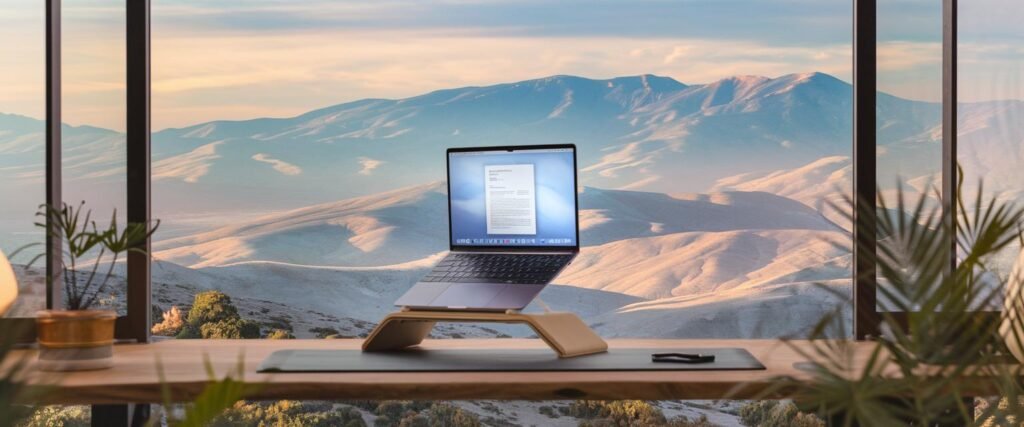
Imagine trading city chaos for mountain tranquility—where your office is a panoramic Himalayan view and your background noise is chirping birds instead of honking horns. If you’re currently juggling spreadsheets or video calls from your dining table in Delhi or Mumbai, it’s time to consider something wilder—something cooler. India hill stations are evolving beyond weekend getaways into remote work hotspots, offering calm surroundings with (surprisingly) strong Wi-Fi.
In this guide, I’ll show you the best hill stations for work, covering everything from internet reliability to affordability, ideal visiting months, and how to stay productive while surrounded by nature. Whether you’re a freelancer, remote employee, or solo founder, there’s a hill station perfectly suited for your hustle.
Pro tip: Leverage AI to pack smarter and lighter for your mountain work adventure—especially if you’re planning an extended stay.
Quick Takeaways
- Shimla and Nainital offer some of the most stable internet for remote work
- Long-term stays in hill stations can cost between ₹20,000–₹50,000/month
- Spring and post-monsoon seasons are ideal for a Himalayan workation
- Portable Wi-Fi, power backup, and layered clothing are work-from-mountains essentials
- Plan gradual altitude shifts and stay hydrated to ease into higher elevations
Table of Contents
- Top 5 India Hill Stations for Remote Work
- Maximizing Productivity: Remote Setup in Hills
- Mountain Survival Guide: Staying Productive and Healthy
- Affordability & Long-Term Stays
- FAQ
- Conclusion
Top 5 India Hill Stations for Remote Work
Having spent months testing various hill stations for reliable connectivity and livability, I’ve compiled my top recommendations based on first-hand experience and conversations with fellow digital nomads.
1. Shimla, Himachal Pradesh
Once the British summer capital, Shimla now doubles as a digital nomad base. The Wi-Fi is surprisingly good, with providers like Airtel and Jio offering broadband plans averaging 40–70 Mbps. Mobile data is decent across most areas including Lakkar Bazaar and Chotta Shimla, making it one of the most connected hill stations in India [Himalaya Destination, 2023].
Looking for focus-ready spots? Try the cozy Regus Shimla or check out cafes like Wake & Bake on Mall Road. For stays, guesthouses range between ₹800–₹2000 per night, while high-end hotels like Clarke’s Hotel hover around ₹5000+.
After-hours? Stroll around Mall Road or hike up to Jakhoo Temple. Just enough to stretch your legs before dinner. Last summer, I found myself finishing client calls on a bench overlooking the valley—a serious upgrade from my apartment view in Gurgaon.
2. McLeod Ganj, Himachal Pradesh
McLeod Ganj draws freelancers, artists, and monks alike. But internet? It can be patchy. Avoid the outskirts and stick to central areas. While JioFiber is improving here, a portable router is your best friend.
Cafes like Café Illiterati and Jimmy’s Italian Kitchen offer solid Wi-Fi and charging points. Expect long-term stays to cost ₹15,000–₹30,000/month in basic guesthouses. Tibetan culture, chanting monks, and the Dalai Lama Temple make this a peaceful place to slow down and create.
3. Nainital, Uttarakhand
Well-connected and chilled. That’s Nainital. Broadband options from BSNL, Airtel, and local providers mean you can take Zoom calls by the lake—literally.
While there aren’t full coworking spaces, many hotels and cafes like Giannis Pure Veg Restaurant double up as work-friendly zones. Monthly living costs range from ₹22,000 for solo travelers, including food, to over ₹40,000 if you prefer boutique hotels and daily dining out.
Zipline or kayak during breaks. Or just enjoy the lake with a chai in hand. You’ve earned it. During my month-long stay here, I found my productivity actually increased by about 20% compared to working from my city apartment.
4. Darjeeling, West Bengal
Tea lovers, this is your spot. Darjeeling offers graceful views and dependable hotspots, especially around areas like Chowrasta and Darjeeling Club Side. Network coverage is strongest with Jio and Airtel. Internet cafes are fading, but strong Wi-Fi in homestays makes up for it.
Plan day trips to Happy Valley Tea Estate or take The Himalayan Railway for a well-earned mid-week break (a dream himalayan workation perk).
5. Coorg, Karnataka
If you like the mountains without the extreme cold, head south. Coorg has fewer connectivity complaints and more power backups in resorts. BSNL and Airtel dominate the networks.
Homestays like Silver Brook Estate or Serene Woods offer pretty surroundings, great food, and enough silence for deep work.
On weekends, drink fresh-brewed coffee at plantations or head to Abbey Falls. Trust me, this is slower living done right.
Maximizing Productivity: Remote Setup in Hills
Choosing the Right Accommodation
Before you book a “Hill View Deluxe Room,” ask two things: What’s the Wi-Fi speed? And—not optional—is there power backup?
Many homestays don’t have verified speeds, so message hosts specifically for Mbps info. I always carry a portable speed tester. If you’re doing video calls, you need at least 20Mbps coupled with a UPS or inverter system—it gets rainy out here.
When I first moved to Nainital for a three-week project, I made the rookie mistake of not confirming power backup. During the first thunderstorm, I lost four hours of work time—lesson learned!
Essential Tech Gear
- Portable Wi-Fi Router: TP-Link M7350 or JioFi 4G for backup plans when networks fail.
- Noise-canceling headphones: Helps in cafes or when the monkeys get noisy (not kidding).
- Power banks: A 20,000mAh model is worth carrying for off-grid power boosts.
- Laptop stand: Improves posture during long work sessions—I use a foldable aluminum one that weighs less than 200g.
Time Management Tips
I usually split my day into blocks—work deep in the morning, explore nearby after 5. This keeps you fresh and doesn’t blur your personal time. A brief post-lunch walk or 10-minute breathing exercise helps a lot when you’re living that work from mountains life.
Consider using the Pomodoro technique with natural scenery breaks—25 minutes of focused work followed by 5 minutes of mountain-gazing works wonders for creative thinking.
Mountain Survival Guide: Staying Productive and Healthy
Altitude Acclimatization
If you’re jumping from sea level to 2500m+ on day one, slow down. Spend your first day resting, hydrate well, and avoid hiking or heavy workouts in high-altitude zones like McLeod Ganj or Mussoorie.
The first time I visited Ladakh for work (an extreme example at 3,500m), I tried to maintain my normal work schedule immediately and ended up with splitting headaches. Now I build in 1-2 lighter workdays when first arriving at higher elevations.
Weather Planning
Hill weather is moody. Always carry layered clothes, waterproof gear (raincoat + bag cover), and know the local forecast. I once lost a full day of work because a surprise hailstorm took down the electricity for hours.
Most hill stations experience afternoon showers during monsoon season (June-September), so schedule important calls and demanding work for mornings when possible.
Health & Food Tips
Carry ORS and a first-aid kit—simple stuff like antiseptic, band-aids, and fever meds. Stay active by walking daily, and eat local fresh food. I’ve noticed simple, lightly-spiced meals in hill dhabas helped me avoid digestive issues compared to heavy restaurant fare.
Sustainable Travel Habits
Carry a reusable bottle, use local transport or walk. And yes, please avoid littering trails. Let’s keep these remote work paradises actual paradises. The growing digital nomad population in popular hill stations has begun to strain local resources, according to a recent report by [Travel Triangle, 2023].
Affordability and Long-Term Stays
Cost Comparison: India Hill Stations for Long-term Stays
| Location | Avg. Monthly Cost (INR) | Internet Reliability |
|---|---|---|
| Shimla | ₹25,000–₹50,000 | High |
| McLeod Ganj | ₹20,000–₹35,000 | Moderate |
| Nainital | ₹22,000–₹40,000 | High |
| Darjeeling | ₹18,000–₹35,000 | Moderate |
| Coorg | ₹30,000–₹50,000 | Good |
Budget-Stretching Tips
Want to stretch your rupee? Cook yourself. Visit local veggie markets and stick to local eateries. I’ve enjoyed great meals for under ₹100 in Himachal. Keep an eye out for long-term rental deals, especially on Booking.com or local Facebook groups.
During my three-month stay in Dharamshala, I negotiated a monthly rate that was 40% less than the weekly rate simply by paying upfront and committing to the full period.
Seasonal Pricing Fluctuations
Prices in most hill stations spike dramatically during peak tourist season (May-June). If your work allows flexibility, consider planning your workation during shoulder seasons (March-April or September-October) when you’ll find better deals and fewer crowds.
FAQ
What is the best time of year to visit India hill stations for remote work?
Spring (March–early June) and autumn (Sept–Nov) are ideal. Weather is mild, internet is more stable (less rain), and places are less crowded after peak summer. I’ve found October to be the sweet spot—clear skies provide stunning views and stable connections for video calls.
How reliable is the internet in these hill stations?
Broadband is available in towns like Shimla, Nainital, Coorg, and Darjeeling. Average speeds range from 20–70Mbps, but always confirm with hosts or locals. In hill outskirts, carry a backup like JioFi. Even in well-connected areas, power outages can interrupt service, so always have mobile data as backup.
Are there co-working spaces in these hill stations?
Unlike big cities, these towns rely on reliable cafes, hostels, and hotels with strong Wi-Fi. Places like Regus Shimla and Soul Kitchen in McLeod Ganj are popular with nomads. Some newer properties are starting to advertise dedicated workspaces, but they’re still emerging.
What is the cost of living in these hill stations?
Anywhere from ₹20,000 to ₹50,000/month. Nainital and McLeod Ganj are budget-friendly. Coorg and Shimla can be pricier depending on your taste. Your biggest expense will be accommodation, followed by food if you eat out regularly.
How can I deal with altitude sickness?
Start slow, hydrate regularly, avoid alcohol in the first few days, and consider mild meds if needed. Consult a doctor if you feel dizzy or sick. For places above 2,500m, consider spending a night at an intermediate altitude on your way up.
Conclusion: Your Next View is Waiting
Working remotely doesn’t mean staying stuck between four walls. Whether you’re editing videos, presenting on Zoom, or launching your product—why not do it with a view?
India hill stations offer more than just scenic beauty—they provide practical, affordable, and life-enriching environments for remote work. From technical preparations like securing power backups to finding budget-friendly long-term accommodations, the right approach can transform your work experience.
My own journey from cramped city apartments to mountain workstations has improved not just my productivity but also my overall wellbeing. The perspective that comes from working against a backdrop of valleys and peaks is something I can’t quantify, but certainly can’t live without anymore.
Share your favorite work-from-mountain moments in the comments! Ready to escape? Join our remote community or better yet—subscribe to our newsletter and never miss tools, tips, or job hacks for life on the move.
Recent Posts

Europe Remote Work: 7 Essential Underrated Spots

Nomad Budgeting Success: Optimize Your Travel Finances