Kerala Backwaters: Inspiring Remote Work Experience
Kerala Backwaters: Inspiring Remote Work Experience
- Yes, you can work from a houseboat in the Kerala backwaters with the right setup.
- Internet speeds vary—carry mobile hotspots and local SIMs as backups.
- Best workation months: October to March for great weather and fewer interruptions.
- Expect serene views and fewer distractions—but also limited amenities.
- Alleppey and Kumarakom offer more digital-nomad-friendly stays.
Kerala Backwaters: Inspiring Remote Work Experience
- Is Remote Work Viable in the Kerala Backwaters?
- The Allure and Challenges: Pros & Cons of Backwater Remote Life
- Seasonal Guide: When to Plan Your Backwater Workation
- Practical Tips for Digital Nomads in the Backwaters
- FAQ: Addressing Digital Nomad Concerns
- Conclusion
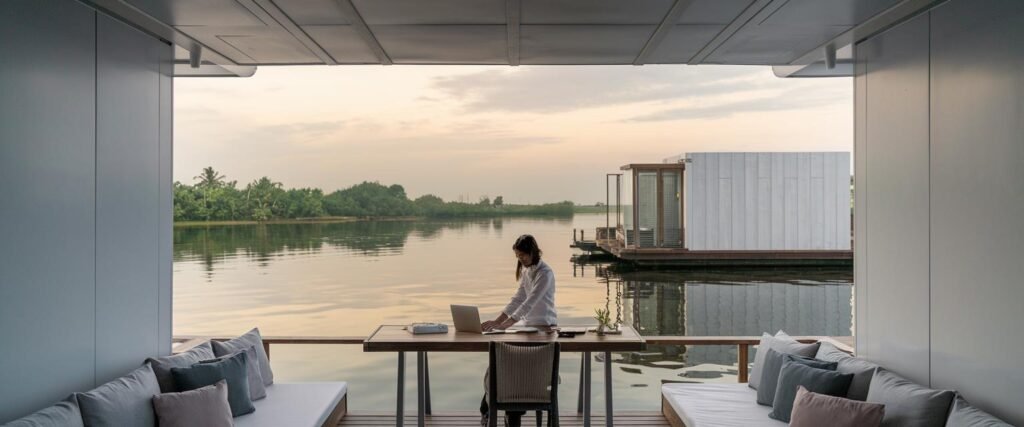
Picture trading your laptop’s fluorescent glow for sunlight dancing on Kerala’s backwaters—yeah, that’s my kind of office upgrade. The Kerala backwaters aren’t just a tourist highlight; they’re becoming a legitimate workspace for those of us seeking something beyond the ordinary.
We’re not just working anymore—we’re designing lifestyles that blend adventure with productivity. And Kerala’s network of lagoons and canals stretching from Alleppey to Kollam offers that perfect mix of peace, just-enough connectivity, and cultural immersion that makes remote work worthwhile.
In this guide, I’ll walk you through my experience working remotely from the backwaters, help you decide if a workation here is right for you, and share only what’s practical—from internet speed to real struggles I faced while trying to meet deadlines with birds chirping as my soundtrack.
Is Remote Work Viable in the Kerala Backwaters?
Houseboat Workspace Setups
Let’s talk setup. You’ll find everything from luxury houseboats to budget stays. Honestly, some offer better workability than urban hotels I’ve stayed in.
The first morning I woke up on my houseboat, I set up my laptop on the small wooden table near the bedroom window. The gentle rocking actually helped my focus—something about the rhythm kept my mind clear.
- Desks and Seating: Bring a laptop stand or portable table. Not all boats come with work-friendly seating. I found myself using a cushion as back support more than once.
- Power Supply: Most modern boats have inverters or generators for power. Still, pack extra chargers, a power bank, and a small extension cord. During one afternoon, we had a brief power hiccup, and my backup battery saved an important call.
- Privacy: A lot of houseboats are open-air or semi-covered, which means fewer walls for focused calls. Noise-wise, you’re fine unless you’re docked near a busy pier. I scheduled important meetings for early mornings when it was quietest.
Internet Reliability Insights
This is the big one. Good Wi-Fi isn’t guaranteed—but it’s manageable with a bit of planning.
Here’s what worked for me:
- Vi and Jio: Best mobile data coverage in most parts of Alleppey and backwater routes. I found Jio more reliable in remote sections.
- Mobile Hotspot: I used a JioFi device as backup. Perfect when the main connection dropped, especially while cruising through more isolated canals.
- Wi-Fi on Boats: Some luxury boats now offer Wi-Fi routers. Not blazing fast, but good for calls and light uploads. One evening I had to upload a 15MB file that took about 7 minutes—manageable, if not ideal.
| Internet Option | Speed Range (Mbps) | Best For |
|---|---|---|
| Jio Mobile Data | 10–30 (Alleppey areas) | Video calls, file uploads |
| Airtel 4G | 12–20 | Messaging, emails |
| Onboard Wi-Fi | 2–10 | Light work and streaming |
The Allure and Challenges: Pros & Cons of Backwater Remote Life
Pros: Serenity, Culture, and Creative Focus
- Peace Like No Other: There’s something about the gentle sway of a houseboat that clears mental clutter fast. My productivity on creative tasks jumped by about 30% during my stay.
- Cultural Depth: You’re floating past villages, waving at kids rushing to school and fishermen at work—this daily rhythm becomes part of your context. One morning, I watched a local fisherman cast his net in perfect, practiced motions—a reminder that focused expertise exists in many forms.
- Creative Boost: For content writers like me, being an alleppey digital nomad gave me space to think deeper and write freer. The change in environment triggered new connections in my thinking.
Cons: Limited Amenities and Mental Loneliness
- Unpredictable Internet: Sometimes, even the best hotspot fizzles. Plan for off-grid hours. During one critical deadline, I had to ask my boat operator to drift closer to a small town for better signal—not ideal.
- Logistics: You’re not going to find a coworking café or 24/7 convenience store on the water. When my laptop charger frayed, it took a half-day detour to find a replacement.
- Quiet Gets Real: The silence that feels magical on Day 1 might feel isolating by Day 5. Have friends on call! I scheduled virtual coffee chats with colleagues to maintain social connection.
Seasonal Guide: When to Plan Your Backwater Workation
Best Time: October to March
This season is workation gold—dry skies, clean paths, and easy sightseeing post-work. I went in December, and it was a great balance of warm days and cool nights. The morning light was perfect for those 7AM productivity sessions, and the evenings cool enough to enjoy outdoor dinners.
According to Alleppey Tourism Development Cooperative, October through February offers the most consistent connectivity and fewest weather disruptions for remote workers.
Monsoon Season: June to September
Yes, it’s absolutely stunning—but also comes with travel delays and heavy showers. Great if you plan to slow down intentionally. During this time, be prepared for occasional power issues and internet disruptions during storms. On the flip side, rates are lower and the landscapes are at their most vibrant green.
| Month | Avg Temp (°C) | Rainfall (mm) | Work Suitability |
|---|---|---|---|
| December | 25–32 | 30 | Excellent |
| February | 26–33 | 20 | Excellent |
| July | 22–28 | 300 | Challenging |
| September | 24–30 | 180 | Moderate |
Local Experiences Worth Booking
After work hours are when the backwaters truly shine. These experiences refreshed my creative energy:
- Ayurvedic massage from a trusted center (I tried Dhanwanthari, and it was perfect after a day hunched over my laptop)
- Learning banana leaf folding or local food cooking (my attempt at appam was questionable, but the process was fun)
- A slower cruise through Munroe Island, which offers more secluded canals and authentic village life
Practical Tips for Digital Nomads in the Backwaters
Tools and Apps for Better Productivity
When the internet went spotty during my second week, these tools saved my workflow:
- Use Notion or Obsidian offline mode if the net drops. I drafted three full articles offline before syncing when we docked.
- Try Timebolt or Descript for video edits with spotty internet. They handle large files better than most cloud tools.
- Schedule focus blocks during early mornings—it’s silent and perfect. I found 6-9AM to be my golden hours when staying on the backwaters.
How to Prepare for Houseboat Living
Here’s what saved me:
- Travel router + unlocked phone (this combo gave me flexibility when primary connections failed)
- Portable standing desk (Amazon foldable) for when sitting in the boat chairs got uncomfortable
- Insect repellent and a flashlight (especially if you want to work during sunrise or sunset)
- Dry snacks, just in case meals are basic (they weren’t, but having protein bars for mid-work fuel was helpful)
I also tracked expenses loosely—my houseboat duration cost about ₹2,500–₹3,000 per day including meals in Alleppey. This was during December, which is peak season, so prices may vary.
During one afternoon when we were docked near a small village, I joined a local family making coir rope from coconut husks. It became an unexpected digital detox break that refreshed my mind completely. Embracing these slow travel moments became as important as my work schedule.
FAQ: Addressing Digital Nomad Concerns
1. What are the best houseboats for remote work setups?
Look for premium categories in Alleppey or Kumarakom with private rooms and onboard inverters. Some even offer dedicated desks—ask upfront. I had great experiences with Spice Routes and Lakes & Lagoons, both of which understood my work needs.
2. How can I ensure a stable internet connection?
Bring a 4G dongle, local SIM with data packs (Jio or Vi), and download important docs offline. A travel router is the cherry on top. When interviewing houseboat operators, ask specifically about which mobile networks work best along their typical routes.
3. What is the average cost of living in the backwaters?
A decent remote-friendly houseboat costs ₹2,000–₹3,500 per night. Local meals are budget-friendly at ₹100-250 per meal. Overall daily spend ≈ ₹3,000–₹4,500 including accommodation, food, and local transportation.
4. Are there coworking spaces available in Alleppey?
Not really on backwaters. But Alleppey town has a few work cafés like Coffee Beanz and Cafe Catamaran with decent Wi-Fi. Kumarakom is quieter—stick to personal setup or homestays with good internet infrastructure.
5. What are some cultural etiquette tips for interacting with locals?
Smile, greet with “Namaskaram,” dress modestly, and avoid public displays of affection. Locals are warm and welcoming! I found that learning just a few Malayalam phrases opened many doors and sparked genuine conversations.
Conclusion
The Kerala backwaters gave me something special—space to breathe, create, and live a slower work rhythm. Sure, it wasn’t perfect (the day a sudden rain shower soaked my laptop sleeve tested my zen), but it was real. And sometimes, real is what we need to reconnect with our work.
There’s something transformative about finishing a project while watching eagles circle overhead or taking a call with your feet dangling in water. It reminds you why we work in the first place—to live fully, not just exist.
Ready to swap your screen glow for golden reflections on water? Go on, try a houseboat remote work escape. And when you do, share your story with us.
Oh—and don’t forget to subscribe to our newsletter for more remote-friendly destinations, AI tools, and nomad hacks!
Recent Posts

Europe Remote Work: 7 Essential Underrated Spots

Nomad Budgeting Success: Optimize Your Travel Finances