Monetize Your Travel Blog: Proven India Strategies Revealed
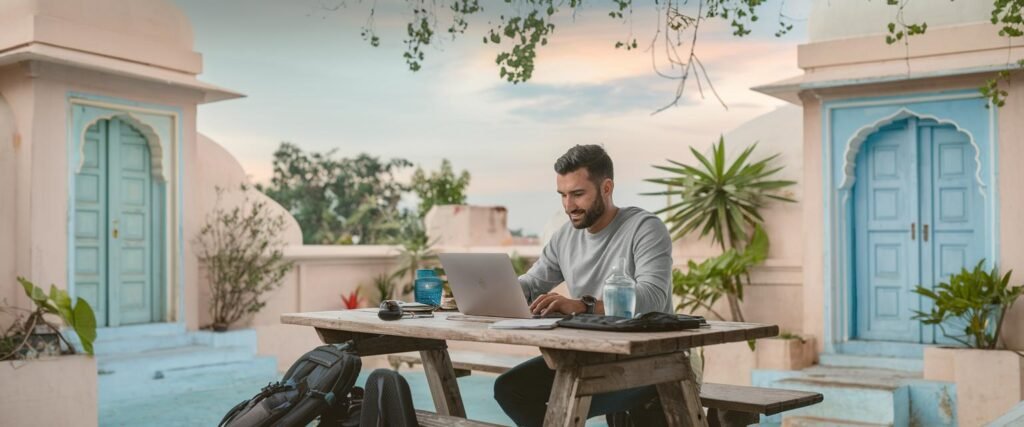
Monetize Your Travel Blog: Proven India Strategies Revealed
Quick Takeaways:
- India travel content is thriving across niches like wellness, heritage, and eco-tourism.
- You can monetize through affiliate marketing, online courses, and selling digital guides.
- Vlogging in India is legal, but permissions and cultural awareness matter.
- Affiliate programs like MakeMyTrip and Amazon India work great for local content.
- Our monetization workshop helps creators grow authentically in India-focused niches.
Introduction
Have you ever thought, “Can I really monetize my travel blog with content from India?” Whether you’re sipping chai in Varanasi or hiking through Himachal, the answer is yes—and the opportunities are growing.
India’s mix of spiritual traditions, vibrant cities, diverse landscapes, and curious travelers makes it a goldmine for creators. But the strategies that work in Europe or Southeast Asia don’t always click here. You’ll need India-specific content ideas, monetization tools, and legal know-how. This guide breaks down exactly how successful creators monetize travel experiences in India—based on what’s worked for creators like myself building globally from the streets of India.
Last year, when I visited a small village outside Jaipur, I connected with a local artisan who taught me traditional block printing. That experience turned into my most profitable blog post of the year, combining affiliate links to craft supplies with a mini-course on Indian textile arts. These authentic experiences are exactly what makes India content so valuable in the creator economy.
Let’s break down exactly how to monetize a travel blog that’s rooted in real India experiences. And if you want hands-on help, check out the creator monetization masterclass we’re running at Working With View.
Table of Contents
- Popular India Travel Content Niches
- Affiliate Marketing with an India Focus
- Selling Digital Products from Travel Content
- Legal Considerations for Vlogging in India
- FAQs About India Travel Monetization
- Final Thoughts + Free Tools
Popular India Travel Content Niches
Not every India blog post will bring traffic and income. But some niches consistently attract clicks, shares, and loyal fans. Here are the best-performing types of India travel content in my experience and from reviewing dozens of successful blogs.
1. Spiritual & Wellness Retreats
Think yoga in Rishikesh, Ayurveda in Kerala, or digital detox retreats in the Himalayas. These appeal to health-focused travelers from around the world. During my stay at a silent retreat in Dharamsala, I documented the experience in a series that still generates affiliate income from retreat bookings two years later.
2. Cultural & Food-Focused Travel
Create guides around Indian festivals, local village experiences, folk art trails, or thali food tours. Use keywords like “India cultural itinerary” or “Indian street food blog.” According to Nomadic Matt, food-related travel content sees 30% higher engagement than general travel posts (Nomadic Matt, 2023).
3. Adventure & Trekking Itineraries
Cover trails in Ladakh, Sikkim, or Western Ghats. Include permits, costs, and actual GPS logs—these details help posts rank. My guide to lesser-known trails in Uttarakhand became my top-performing post last monsoon season, with readers specifically mentioning how the detailed permit information saved them time.
4. Sustainable Travel Content
Eco-lodges in Meghalaya, slow travel in Spiti, or volunteering in forest communities—this niche aligns with conscious travel trends. When I stayed at a zero-waste homestay near Munnar, the owner told me 60% of his guests found him through sustainable travel blogs.
5. Luxury in India
Showcase luxury homestays, palace hotels, glamping resorts, or high-end rail travel. Combine Instagram-worthy visuals with real tips. This niche has significant monetization potential through higher-commission affiliate programs.
Affiliate Marketing with an India Focus
Affiliate marketing is a smart way to earn while helping your readers plan their next India escape. Here’s how I’ve approached India travel affiliate marketing step by step:
1. Choose the Right Affiliate Programs
- Booking.com India: Ideal for budget and premium stays (5-7% commission).
- Amazon India: Great for recommending gear, books, travel gadgets (up to 10% depending on category).
- MakeMyTrip Affiliate: Flights, buses, packages all in one (average 4% commission but higher volume).
- GetYourGuide: Perfect for tours and activities across major Indian cities (8% commission).
When I partnered with a local tour operator in Varanasi through GetYourGuide, I earned nearly $400 in a single month by recommending their sunrise boat tours—all from an authentic experience I’d personally enjoyed.
2. Build Quality Content First
Your affiliate links should feel like a natural part of your blog flow. For example, I wrote a piece on budget-friendly hostels in Himachal and linked Booking.com for each spot I reviewed. The post served readers first with honest reviews, which is why it converted at almost 7%—well above industry average.
3. Place Links Strategically
Use links inside detailed content, not just banners. Comparison tables, pros and cons lists, and itinerary guides work well here. According to Easy Digital Downloads, contextual links convert up to 5x better than generic banner ads (Easy Digital Downloads, 2023).
| Link Placement | Average Conversion Rate |
|---|---|
| Within how-to guides | 3.2% |
| In comparison tables | 4.7% |
| At end of content | 0.9% |
4. Be Transparent
Add a clear disclosure—this builds trust and keeps you compliant with policies. I always include a simple line at the top of posts containing affiliate links, and reader surveys show this actually increases trust rather than reducing clicks.
5. Track What Performs
Use tools like Pretty Links (for WordPress) or manual UTM tracking with Google Analytics to see what brings clicks and conversions. My tracking showed that links in my Rajasthan itinerary posts converted 3x better than my Delhi city guides—insights that shaped my content calendar.
Selling Digital Products from Travel Content
If you’ve traveled around India, you’re probably sitting on valuable insider knowledge. Package that into digital products, and you’ve got recurring income potential.
1. Ebooks & Regional Travel Guides
Create location guides, itinerary planners, or city-specific resources. Tools like Canva and Google Docs can be enough to produce and sell a polished PDF. My “Ultimate Northeast India Itinerary” ebook generates around $500 monthly with minimal maintenance, all from experiences I documented during a 3-month trip.
2. Lightroom Presets or Photo Packs
Capture the colors of India and sell photo editing tools to fellow travelers. I sell my own street photography presets from Old Delhi and Rajasthan with decent margins. What started as a hobby turned into a $300/month income stream when I packaged my editing style into preset collections.
3. Online Courses & Cooking Classes
Teach Indian recipes you’ve learned from locals or share basic Hindi lessons tailored to travelers. I once collaborated with a friend in Jaipur who hosted a chai masterclass—huge hit! We sold access for $27 and had over 200 students in the first month.
The team at We Seek Travel found that small, focused digital products often outperform expensive flagship courses for new travel bloggers (We Seek Travel, 2023).
4. Personalized Travel Itineraries
Sell 1:1 travel planning or customized itineraries. Include Google Map links, hotel options, and cultural do’s and don’ts. I’ve charged $75-150 per custom itinerary, spending about 2 hours creating each one—a solid hourly rate compared to many other travel monetization methods.
5. Stock Photo Sites
Upload your India travel photos to platforms like Shutterstock or Pexels to sell worldwide. This is a long-term, passive strategy—I still earn from photos I took at the Pushkar Camel Fair four years ago.
Legal Considerations for Vlogging in India
Vlogging in India is mostly welcome, but laws differ by region and type of content. Here’s what I’ve learned while filming across cities, heritage sites, and remote areas.
1. Don’t Skip Proper Visas
If you’re visiting mainly for content creation and partnerships, a business visa is safer than a tourist visa. Avoid being classified as working illegally. When I co-hosted a travel workshop in Mumbai, immigration officials specifically asked about my visa type when they saw my camera equipment.
2. Get Filming Permissions
Places like Taj Mahal, forts, museums, or temples often restrict professional camera equipment. Always ask when unsure. Digital or printed permissions are often easy to obtain in advance. At Mehrangarh Fort in Jodhpur, I secured filming permission for just ₹2000 ($24) with a simple email request a week before my visit.
3. Be Respectful & Mindful
Don’t film local people, ceremonies, or religious spaces without asking. And avoid drone usage unless you’re licensed. I always carry small prints of my photos to give to people I photograph—this simple gesture has opened many doors and created meaningful connections.
4. Use Legal Music & Media
Copyright strikes are real. Use royalty-free music or paid licenses for safer uploads. I use Epidemic Sound for most of my India travel videos—the monthly subscription pays for itself by preventing copyright headaches.
5. Understand Cyber Laws
If you collect emails, information, or community feedback via your blog/vlog, review India’s 2023 data privacy guidelines. Particularly when working with local businesses or gathering subscriber information, make your privacy policy clear and accessible.
FAQs About India Travel Monetization
Q: What are the best tools for editing India travel videos?
A: Adobe Premiere Pro, Final Cut Pro, and DaVinci Resolve are top-tier. For mobile, check LumaFusion. I personally use Premiere Pro for my YouTube content and CapCut for quick Instagram Reels when I’m on the go in places like the bustling markets of Old Delhi.
Q: How can I find local collaborations in India?
A: Join Indian creator Facebook groups, message eco-hostels on Instagram, or attend events like India Travel Mart or Jaipur Literature Festival. When I attended the Kerala Travel Mart last year, I connected with five local businesses that became ongoing content partners.
Q: What are unique content angles in India?
A: Textile trails, local train routes, Bollywood film location guides, or van life stories from South India. Pick something personal and fresh. My series on lesser-known heritage walks in Kolkata garnered more interest than my conventional Golden Triangle content, despite the latter being more searched online.
Q: I don’t speak Hindi. Can I still build a following?
A: Absolutely. Stick to English, use basic Hindi greetings for locals, and partner with bilingual guides if needed. World Travel Family found that even minimal local language skills significantly increased engagement with travel content (World Travel Family, 2022).
Q: How should I promote my blog?
A: Use Pinterest for visual content, SEO for evergreen India content, and Instagram collabs for quicker traction. Need tools? Check out our post on AI tools for creators. I’ve found that Pinterest drives 40% of my India content traffic, with boards focused on specific regions performing best.
Q: How long does it typically take to monetize a travel blog focused on India?
A: Most creators see initial income around months 4-6 with consistent posting, but meaningful revenue often takes 9-12 months. When I started my India travel blog, I earned just $50 in the first three months, but by month eight, I was consistently making over $1,000 monthly through combined revenue streams.
Final Thoughts + Free Tools
India is one of the most content-rich countries you’ll ever travel through. From the desert landscapes of Rajasthan to the backwaters of Kerala, each region offers countless storytelling opportunities. If you’re serious about turning your journey into income, you’ve got tools—whether you start with affiliate links, sell digital guides, or vlog with purpose.
I’ve built multiple blogs, mentored students, and tested various strategies across Indian cities. The key is to start small, stay consistent, and tap into what already inspires you. When I began documenting my train journeys across India, I never imagined those simple posts would become my most profitable content—proving that authentic passion often aligns with audience interest.
Want help getting there faster? Join our creator monetization masterclass and get step-by-step strategies suited for India’s market—no BS, just real insights from people who’ve built sustainable income from their India travels.
Subscribe to our newsletter for more travel income tips, freelancing tools, and community support from digital nomads across India and beyond.
Recent Posts

Europe Remote Work: 7 Essential Underrated Spots

Nomad Budgeting Success: Optimize Your Travel Finances