Packing List India: Proven Essentials for Remote Work
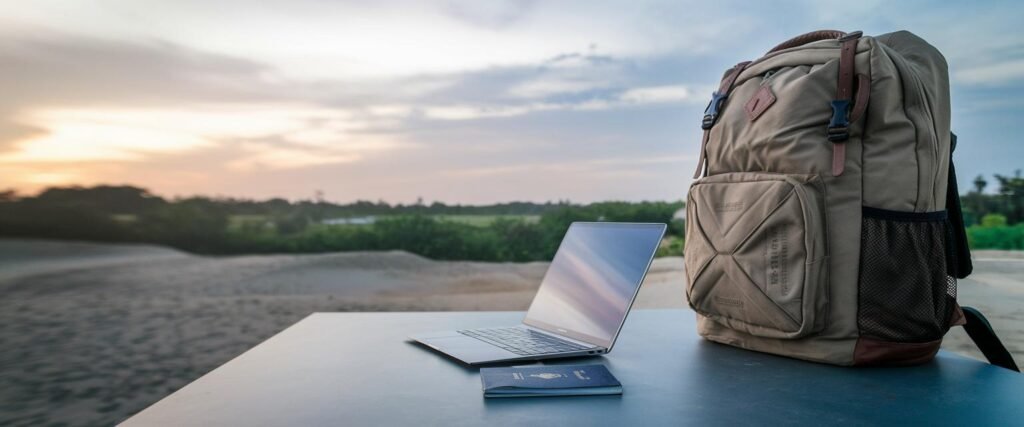
Packing List India: Proven Essentials for Remote Work
Introduction
Trading fluorescent office lights for the glow of an Indian monsoon sunset? Remote work in India can be everything you dreamed of—if your backpack is fully prepped. I’ve traveled across India and set up my workspace from beach cafés in Goa to hill-view homestays in Manali. One rule I’ve learned: packing right makes all the difference.
This guide breaks down your ultimate Packing List India, blending tech tools, clothing tips, and health must-haves. Whether you’re planning a long stay or a short sprint, these India travel essentials will help you stay productive and comfortable.
Quick Takeaways
- Your tech setup is your lifeline: pack smart, stay connected
- Prepare for India’s diverse climates with versatile, breathable clothing
- A compact first-aid kit and backup medications prevent productivity disasters
- Set up productivity apps before arrival, not during your first client call
- Research co-working spaces in advance to avoid day one connectivity panic
Table of Contents
- Essential Tech for Remote Work in India
- Clothing and Climate Considerations for India
- Health and Safety Preparations for Your India Workation
- Productivity Tools and Apps for the Digital Nomad
- FAQ Section
- Conclusion
Essential Tech for Remote Work in India
You don’t need a ton of gear to work remotely from India—but the right setup matters. After testing SIM cards in Rajasthan and troubleshooting connectivity issues during client calls from Himachal, here’s what I now never leave behind.
Laptops, Chargers, and Backup Devices
1. Laptop – Stick with something reliable and lightweight. I use an M1 MacBook Air for its 15+ hour battery life—perfect when power becomes unpredictable.
2. Charger & Power Bank – Your original charger plus a 20,000mAh power bank are non-negotiable. I once saved a client presentation during a 3-hour outage in Jaipur thanks to backup power.
3. External Storage – A small SSD or hard drive (500GB minimum) for backing up work. Internet speeds can make cloud storage unreliable.
4. USB Hub – If you connect multiple accessories, a compact hub saves precious bag space.
Internet Connectivity: SIMs, Routers, and Staying Online
Internet in India can be unpredictable – I’ve learned to always have a backup plan for staying connected.
– Local SIM with hotspot: Jio and Airtel offer the best coverage. I typically buy upon arrival at the airport.
– Portable Wi-Fi Router: Worth considering if you’re traveling with a team or need to connect multiple devices.
– VPN Service: I use NordVPN for security on public networks and accessing region-restricted work tools.
– Pro Tip: Get your phone carrier-unlocked before arriving in India. According to a 2023 Under30Experiences survey, 40% of digital nomads reported connectivity issues because they couldn’t use local SIMs.
Power Adapters and Voltage
India uses 220V power and Type C, D, and M plugs. I carry:
– Universal adapter with surge protection
– Small power strip (the ultimate friend-maker at crowded cafés)
– USB-C charging cables for all devices
Clothing and Climate Considerations for India
When I first landed in Delhi in June, I made the classic mistake: packing for one climate. India isn’t a single-weather country—it spans tropical beaches to Himalayan heights.
Packing for India’s Diverse Climates
| Region | Weather Tips |
|---|---|
| North India | Hot summers (95-110°F), cool winters (40-60°F). Pack light cotton for summer & layers for winter. |
| South India | Hot, humid, and tropical (75-95°F year-round). Breathable fabrics and moisture-wicking clothes are essential. |
| Himalayas | Highly variable (30-75°F). Bring base layers, warm jacket, and gloves even in “summer” months. |
What to Wear: Region-Specific Tips
– Fabrics: Cotton and linen are your best friends in most regions. I bring mostly natural fibers with 1-2 quick-dry synthetic items for laundry emergencies.
– Modesty: This matters, especially outside tourist areas. In my experience, covering shoulders and knees shows respect and attracts less unwanted attention.
– Footwear: One pair of comfortable walking shoes and one pair of sandals covers most situations. I once walked 8 miles through Old Delhi in poor footwear—a mistake I’ll never repeat.
– Monsoon Preparation: If traveling June-September, quick-dry clothing becomes essential. I keep a packable rain jacket accessible at all times.
Clothing Checklist
– 3-4 lightweight, modest tops (mix of short and long sleeves)
– 2-3 pairs of pants/long skirts (at least one lightweight)
– 1 light jacket or cardigan for air conditioning and evening temperature drops
– 1 packable rain jacket (monsoon season)
– Comfortable walking shoes + sandals
– Hat, sunglasses, and SPF 50+ (sun intensity surprises many first-timers)
Health and Safety Preparations for Your India Workation
A stomach bug derailed my first week in Varanasi. Since then, I’ve learned that health preparation isn’t something to leave to chance when remote working demands your A-game.
Medications and Vaccinations
My non-negotiable health kit includes:
– Prescription medications: Minimum 30-day supply, stored in original packaging with doctor’s note
– OTC essentials: Imodium, rehydration salts, painkillers, antihistamines, and basic antibiotics (prescribed by my travel doctor)
– Preventative care: Check CDC recommendations for India vaccinations; I got typhoid, hepatitis A, and tetanus boosters
– First-Aid Kit: Wound cleaning supplies, bandages, insect repellent (30%+ DEET), and anti-itch cream
Local Healthcare Options
– Major cities (Delhi, Mumbai, Bangalore) have excellent private hospitals with English-speaking staff.
– The Practo app helps locate nearby clinics and doctors with ratings.
– Travel insurance with medical evacuation coverage is essential. TaxHackers notes that medical treatment can cost 60-70% less than Western countries, but quality varies significantly.
General Safety Tips
– Keep digital copies of important documents (passport, visa, insurance)
– Register with your country’s embassy travel program
– Learn basic Hindi phrases—locals appreciate the effort and it builds goodwill
– Use recognized ride-hailing apps rather than hailing street taxis, especially at night
Productivity Tools and Apps for the Digital Nomad
With your physical needs covered, let’s talk about staying productive. The right digital tools can make or break your remote work experience.
Recommended Tools for Staying Organized
– Project Management: I use ClickUp for client work and tracking deliverables
– Time Tracking: Toggl helps me maintain billable hours across time zones
– Documentation: Notion serves as my second brain—storing travel information, work notes, and client details
– Password Manager: LastPass keeps login credentials secure and accessible
– Communication: Slack and Zoom (with recordings enabled for spotty connections)
Co-working Spaces in India
My first mistake in Bangalore was assuming I could work effectively from my homestay. The reality: unpredictable Wi-Fi and constant noise made client calls nearly impossible.
Research co-working options before arriving by checking:
– Wi-Fi speed tests (ask for screenshots from management)
– Backup power solutions
– Meeting room availability and booking process
– Membership flexibility (daily passes vs. monthly commitments)
Notable Co-working Spaces:
– Bengaluru: WeWork Galaxy, 91Springboard
– Mumbai: Ministry of New, Awfis
– Goa: NomadGao, Clay Cowork
– Delhi: Innov8, Hustleyard
Want to discover more international destinations designed for productive remote work? Our digital nomad gear guide covers everything you need to work effectively anywhere in the world.
FAQ Section
Do I need a universal power adapter for India?
Yes, India uses Types C, D, and M power outlets. A quality universal adapter with surge protection is essential, especially in older buildings where power fluctuations are common.
What’s the best way to stay online in India?
A dual approach works best: get a local SIM card (Airtel or Jio) for data and use it as a hotspot backup. Major cities offer 4G/5G speeds, but keep expectations realistic in rural areas. Always use a VPN when connecting to public Wi-Fi.
What’s appropriate attire in India?
Modest clothing that covers shoulders and knees works in most situations. For women, I recommend loose pants or longer skirts/dresses, particularly in religious sites and smaller towns. Men should avoid shorts in formal or religious settings.
Best co-working spaces in India?
In Goa, NomadGao offers a community focus. Bengaluru’s WeWork locations provide enterprise-level amenities. Delhi’s Innov8 spaces balance cost and quality well. Most major cities now have multiple options—prioritize those with backup internet and power.
Conclusion
Working remotely from India offers an incredible blend of cultural immersion and career continuity. From the chai breaks that refresh your creativity to the vibrant energy that transforms your workday, India delivers an experience unlike anywhere else.
My journey across this diverse country taught me that preparation matters more than perfection. Having the right tech setup, appropriate clothing, health precautions, and productivity tools creates the foundation for success—but remaining flexible is equally important.
Whether you’re heading to bustling Mumbai or serene Rishikesh, remember that your ability to adapt to local conditions ultimately determines your remote work experience. Pack thoughtfully, prepare thoroughly, but embrace the unexpected moments that make working from India truly special.
Have you worked remotely from India? Share your experiences and tips in the comments below—our community loves learning from real stories.
Recent Posts

Europe Remote Work: 7 Essential Underrated Spots

Nomad Budgeting Success: Optimize Your Travel Finances