Top 5 Spiritual Retreats India: Honest Reviews for Nomads
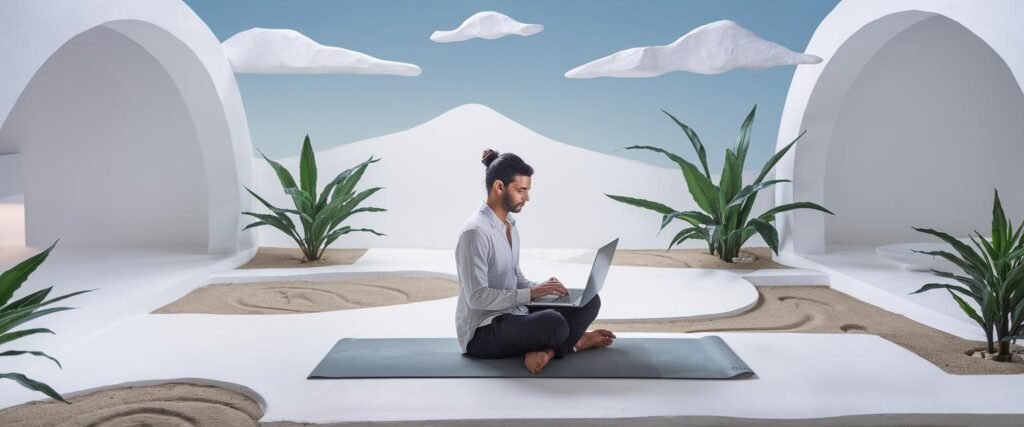
Top 5 Spiritual Retreats India: Honest Reviews for Nomads
Introduction
Staring at your laptop, wondering if there’s more to work than endless Zoom calls? I’ve been there.
As someone working remotely from airport lounges and mountain cafés, I’ve had those weeks where both my calendar and my spirit felt overloaded. That’s when I turned to spiritual retreats in India. India isn’t just a birthplace of mindfulness—it’s surprisingly remote-work friendly if you know where to look.
And yes—some retreats let you keep your phone, your laptop, and your Zoom calls (with limits). Others offer a much-needed digital detox and reconnection with self.
In this blog, I’ll walk you through 5 real spiritual retreats in India that strike a balance between stillness and signal—ideal for freelancers, nomads, and Wi-Fi-tethered wanderers like us.
Want to live with purpose and still meet your deadlines? Keep reading.
📌 Explore other nomad resources like remote work tips and tech setups.
Quick Takeaways
- Several spiritual retreats in India welcome laptops and provide reliable Wi-Fi for remote work sessions
- You can balance retreat activities and work commitments through thoughtful scheduling and time-blocking
- Destinations like Ananda in the Himalayas and Isha Yoga Center create spaces where professionals can both grow spiritually and stay connected
- Understanding your technology requirements and comfort needs is essential before selecting a retreat
- India offers numerous mindful spaces where personal growth and productivity can coexist harmoniously
Table of Contents
- Top 5 Spiritual Retreats in India for the Working Nomad
- Balancing Act: How to Integrate Remote Work into Your Spiritual Journey
- Choosing the Right Retreat for Your Needs
- FAQ: Addressing Your Concerns
- Conclusion: Recharging Your Spirit, Elevating Your Work
Top 5 Spiritual Retreats in India for the Working Nomad
These retreats don’t just offer yoga mats and chanting—they make space for your laptop too. Let’s break them down by vibe, tech-friendliness, and work-life balance.
1. Ananda in the Himalayas (Rishikesh)
Type: Luxury Wellness & Yoga Retreat
Location: Near Rishikesh, Uttarakhand
Perfect for: Professionals seeking balance, peace, and solid Wi-Fi
If you’ve got a big launch to lead and a need for internal clarity, Ananda is a high-end haven. Nestled in the Himalayan foothills, it delivers calming views plus high-speed internet and quiet lounges where you can host a Zoom call without monks giving you side-eye.
During my stay last year, I managed to finish a client project in the morning hours, then joined a private yoga session that completely reset my perspective. The staff understands digital nomads—they’ll even bring tea to your workspace if you ask nicely.
| Facilities | Digital Nomad Rating |
|---|---|
| Ayurvedic Spa, Private Yoga Sessions, Fast Wi-Fi, Quiet Workspaces | ⭐⭐⭐⭐⭐ |
2. Tushita Meditation Centre (Dharamsala)
Type: Buddhist Meditation Retreat
Location: Dharamsala, Himachal Pradesh
Perfect for: Nomads craving silence and slower work weeks
Tushita strips away digital noise, offering a deep dive into Buddhist meditation that’ll reset your professional burnout. Wi-Fi is limited to short slots (and not available everywhere), so plan this during a light-client load week or when you’re comfortable going semi-offline.
When I visited Tushita, I scheduled client meetings before and after the retreat, giving myself permission to disconnect during my stay. The mountain air and dedicated practice spaces made it worth the digital sacrifice.
Pro Tip: Confirm course schedules in advance—they offer Introduction to Meditation courses several times a year.
This is one of the better-known meditation retreat options for digital detox time.
3. Isha Yoga Center (Coimbatore)
Type: Yoga Ashram
Location: Near Coimbatore, Tamil Nadu
Perfect for: Intermediate practitioners in need of both soul work and stable Wi-Fi
Isha isn’t as strict as Vipassana but still offers deeply immersive yoga and meditation. You’ll find designated Wi-Fi areas (like café zones) to plug in when needed. During my visit, I handled content reviews in the early morning and dove deep into guided practices during the day.
My tech setup here was simple but effective—laptop, portable charger, and noise-canceling earbuds for when the common areas got busy. The retreat manager mentioned they’ve seen a 40% increase in remote workers visiting since 2020.
This is one of those “best of both worlds” setups.
A yoga ashram India setup that doesn’t dismiss laptop users.
4. Vipassana International Academy, Igatpuri
Type: Silent Meditation Retreat
Location: Igatpuri, Maharashtra
Perfect for: Fully unplugging and resetting your mental hard drive
Here’s the deal with Vipassana: complete digital disconnection that might sound scary, but could be exactly what your overwhelmed brain needs. No phones, no emails, no contact for 10 straight days. And yes, that includes weekend calls with the team or daily Slack check-ins.
I did this retreat a few years ago when I was between projects. Honestly? It was challenging but worth it. You start noticing how loud your mind gets without screens—and how much clarity comes with silence.
One participant I met there described it perfectly: “The first three days, your mind screams for distraction. By day seven, you wonder why you ever needed that notification ping.”
This is Vipassana for nomads who need a hard reset.
5. Ayurveda Parkschloss (Kerala)
Type: Ayurvedic Wellness Retreat
Location: Kerala
Perfect for: Health-first professionals who still need internet access
This less-touristy center in Kerala offers detox programs, massages, and ayurvedic food—all while letting you stay semi-online. You may not tackle big projects here, but handling emails or running light operations is totally doable.
When I stayed, I’d work early mornings after tea, then spend afternoons in treatments or reading under the palms. The connection between feeling physically better and producing higher quality work became incredibly clear here.
The challenges I faced were mostly around finding ergonomic spots to work—bring a travel stand if you have back issues like me!
Balancing Act: How to Integrate Remote Work into Your Spiritual Journey
Mixing retreat life with remote work sounds ideal—but how do you actually do it?
Structure Your Days
Try time-blocking: Reserve early mornings for deep work, late mornings for yoga/meditation, and evenings to reflect or journal.
My typical retreat workday looks like this:
- 5:30-7:30 AM: Deep work (coding, writing, strategy)
- 7:30-8:30 AM: Breakfast and movement
- 8:30-11:00 AM: Retreat activities (yoga, meditation)
- 11:00-12:30 PM: Light work (emails, calls)
- 12:30-3:30 PM: Lunch and retreat activities
- 3:30-5:00 PM: Final work session if needed
- 5:00 PM onwards: Digital sunset—no screens
Pick Your Pocket of Productivity
If your spot doesn’t have a formal “workspace,” carry a foldable laptop stand and noise-canceling earbuds (life-savers!). Pick calm corners or café areas designated for guests.
At Isha, I found an east-facing nook that got morning sun but stayed cool by midday—perfect for morning focus without overheating my laptop or my brain.
Communicate Ahead
Let your clients or team know about your retreat goals and availability. Set auto-responders or Slack statuses so they know when you’ll be online.
A simple message like: “At a yoga retreat with limited connectivity. Available daily 6-8 AM and 3-5 PM IST for urgent matters” sets clear expectations.
Allow Mini Digital Detox Moments
Even if you’re not fully unplugging, take windows of 1–3 hours with no screen time. Walk barefoot. Eat mindfully. It helps.
I’ve found these small breaks actually make my work sharper when I return to the keyboard.
Choosing the Right Retreat for Your Needs
Here’s what to consider before you book:
1. Know Your Wi-Fi Needs
Triple check if the retreat has fast, stable Wi-Fi. Ask about power backup and router access near rooms or cafés.
My tech essentials for retreat work include:
- A portable hotspot as backup
- Power bank for unexpected outages
- Downloaded documents for offline work
- Signal booster (in very remote locations)
2. Match the Philosophy
Are you looking to reflect in silence or be more physically active through yoga? Avoid signing up for something that doesn’t align with what you’re going through.
During a particularly stressful project phase, I chose a more movement-based retreat to balance sitting all day. When finishing a major deadline, silent meditation helped me decompress.
3. Sleeping Setup
Some ashrams are dorm style, others offer full private suites. Know your budget and comfort preferences.
I once tried to work from a dorm-style ashram, thinking I could manage—that was a mistake. The noise and lack of privacy made focus nearly impossible.
4. Read Traveler Reviews
Nomads often leave detailed feedback on Wi-Fi speed, food quality, and the vibe. Don’t skip those Reddit or Google review deep dives.
“I look for reviews specifically from remote workers,” says Jay, a digital nomad I met at Isha. “They’ll tell you exactly where to sit for the best connection or which staff members understand work needs.” [NomadGao, 2023]
5. Location Logistics
Will getting there require multiple transfers? Does the area have emergency access (pharmacy, ATM)? These small things matter when working remotely.
FAQ: Addressing Your Concerns
Q: Which retreats allow the use of laptops and phones?
A: Ananda in the Himalayas and Isha Yoga Center welcome digital usage in designated areas. Ayurveda Parkschloss also supports light connectivity. These places understand that modern practitioners sometimes need to stay connected.
Q: How can I balance a retreat schedule with work hours?
A: Use time-blocks and clear communication. Set work windows when retreats are quietest—early mornings or mid-breaks. Many retreat schedules have natural gaps you can use for focused work sessions.
Q: Are there retreats specifically designed for professionals?
A: Ananda is your best bet—it blends high-end services, wellness, and spaces for remote professionals. Some retreats are now offering “digital nomad packages” with dedicated workspaces and flexible schedules. [Global Gallivanting, 2022]
Q: What should I look for when choosing a retreat that accommodates remote work?
A: Look for strong reviews on Wi-Fi, private or semi-private spaces, and flexible daily routines. Ask about power reliability and whether there are quiet areas suitable for video calls.
Q: How do I explain my retreat time to clients or team members?
A: Frame it as a productivity and wellness investment. Share your available hours clearly and explain how the retreat will enhance your work quality. Most professional contacts respect clear boundaries when communicated in advance.
Conclusion: Recharging Your Spirit, Elevating Your Work
Spiritual retreats in India aren’t just about silence and incense—they can be tools for realignment in both life and work.
Whether you’re craving a detox at Igatpuri or want luxury with Wi-Fi in Rishikesh, there’s a path for every worker-wanderer. My own journey through these spaces has transformed not just how I meditate, but how I approach creative problems and client relationships.
Your remote work journey doesn’t need to feel like a constant grind—and sometimes, stepping back is the best way to move forward. As one retreat director told me, “The distance from your screen often brings you closer to your purpose.”
The most valuable thing I’ve learned? That connection to self ultimately creates better connection to work.
🧘 Ready to plan your mindful escape? Check out our complete destination guides on Working With View or contact us to plan a remote retreat that fits your style.
📬 Subscribe to our Newsletter to get travel-ready tips, digital nomad deals, and future retreat spot breakdowns.
Citations:
Recent Posts

Europe Remote Work: 7 Essential Underrated Spots

Nomad Budgeting Success: Optimize Your Travel Finances